Rubbish disposal near Honeywood Museum
Posted on 13/10/2026
Rubbish disposal near Honeywood Museum: a practical local guide
If you are looking for rubbish disposal near Honeywood Museum, you are probably trying to solve a very ordinary problem that suddenly feels urgent: a pile of bags after a clear-out, broken furniture that will not fit in the car, or a few awkward items that are too much for the weekly bin. Truth be told, the hardest part is often not the lifting. It is deciding what to do next, who can take it, and how to avoid creating extra hassle on a busy day around Sutton.
This guide walks through the realistic options for rubbish removal near Honeywood Museum, what to expect, how the process usually works, and which mistakes people tend to make. You will also find a clear checklist, a comparison of disposal methods, and a few useful things to keep in mind if you want the job done cleanly and without faff. Simple enough, but worth getting right.
Why Rubbish disposal near Honeywood Museum Matters
Honeywood Museum sits in a part of Sutton where people move, renovate, host, garden, work from home, and generally accumulate more stuff than they planned to. That means rubbish disposal is not just about tidying up. It is about keeping homes manageable, avoiding unnecessary clutter, and making sure waste is dealt with properly and safely.
Near a place like Honeywood Museum, there is also the practical reality of local streets, foot traffic, parking restrictions, and neighbours who do not want bags left out longer than necessary. If you have ever dragged a mattress down a narrow driveway at 7.30 in the morning, you will know the vibe. It is not fun. Choosing the right disposal method can save time, reduce stress, and help you avoid fly-tipping or accidental misuse of bins.
In short: good rubbish disposal is part convenience, part responsibility, and part common sense.
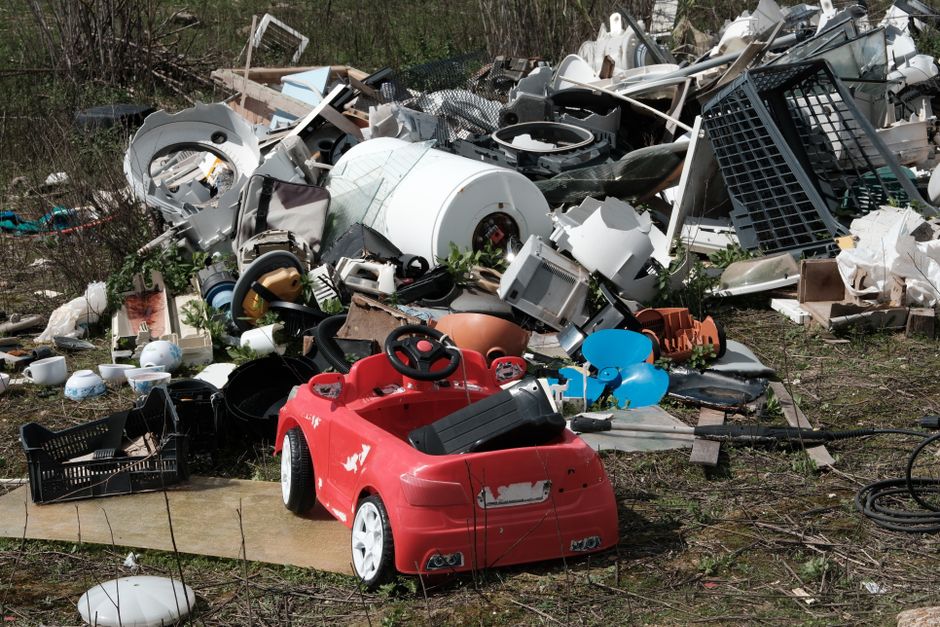
It also matters because not all waste is the same. A few black sacks from a house clear-out are very different from plasterboard, old white goods, garden cuttings, or office furniture. The better you understand the type of rubbish you have, the easier it is to choose the right route. That little bit of sorting upfront can make the whole job smoother.
How Rubbish disposal near Honeywood Museum Works
Most people dealing with waste near Honeywood Museum end up using one of three approaches: booked collection, self-hauled disposal, or a skip. Each has its place. The right choice depends on volume, access, timing, and how much lifting you want to do yourself.
A professional rubbish collection usually works in a straightforward way: you describe the waste, arrange a time, and the team loads it for you. That is especially handy if you do not have a vehicle, if the waste is heavy, or if you simply want it gone in one visit. A skip hire option is useful when a job will take longer, such as a renovation or a slower household declutter. Self-hauling can suit smaller loads, but it is rarely the most convenient route if you have bulky items or limited time.
The process normally starts with a quick assessment. What is being removed? How much space will it take? Are there access issues such as stairs, narrow hallways, basement storage, or restricted parking? Those details matter more than people think. A quote can be wildly off if the loader is guessing, so accurate descriptions help a lot.
It is also worth noting that mixed loads may be sorted after collection for recycling or responsible disposal. Good operators do not just tip everything together and hope for the best. They separate reusable, recyclable, and residual waste where possible. That part is invisible to most customers, but it makes a real difference.
If you are comparing service types and want a fuller view of what a provider handles, the services overview page is a useful place to see how different clearance jobs fit together. For heavier renovation waste, you may also want to look at builders waste clearance in Sutton.
Key Benefits and Practical Advantages
The main benefit of organised rubbish disposal is simple: you get your space back. But the practical advantages go further than that.
- Less stress: no need to stack rubbish for days or make repeated trips.
- Better safety: fewer trip hazards, sharp edges, and heavy lifting issues.
- Cleaner access: useful before moving house, letting a property, or hosting visitors.
- Time saved: especially when there is a lot to shift in one go.
- More responsible disposal: good operators sort recyclable items properly.
- Flexible for awkward items: furniture, appliances, garden waste, loft clutter, and garage junk.
There is also a mental benefit that people sometimes underestimate. A cluttered room can drag on your head a bit. Once the rubbish is gone, the space feels larger, calmer, and easier to use. You notice the light again. Funny how that works, really.
For households, the benefit is usually convenience. For landlords and agents, it is presentation and turnaround. For businesses, it is continuity and tidiness. Different needs, same basic outcome: a cleaner space and less friction.
Who This Is For and When It Makes Sense
Rubbish disposal near Honeywood Museum makes sense for a fairly wide range of people. If your situation is even slightly awkward, you are probably in the right place.
Homeowners and tenants
If you are clearing a spare room, replacing furniture, emptying a shed, or dealing with years of accumulated stuff, a collection service can take the pressure off. Tenants often need a quick turnaround at the end of a tenancy, and homeowners may want one decisive visit rather than a weekend spent making multiple bin runs.
Landlords and letting agents
End-of-tenancy rubbish is a classic one. Left-behind furniture, bags of mixed waste, or a garage full of miscellaneous items can delay re-letting if not handled promptly. A fast clearance helps keep the property moving.
Businesses and office managers
Office clearance, stockroom clear-outs, and old equipment disposal all tend to involve bulky items that do not suit ordinary domestic bins. In those cases, a proper collection is often the cleaner, more professional choice. If that sounds familiar, see the local option for office clearance in Sutton.
People tackling one-off projects
This includes DIY jobs, garden makeovers, loft declutters, and garage reorganisations. A project tends to generate more waste than you expect. Always. Even a "small" job can become a mountain of offcuts, packaging, and old items once you start shifting things about.
If you are unsure whether your load is better suited to general clearance or a specialist type of collection, a service like rubbish clearance in Sutton can be the most flexible starting point. And for mixed household loads, house clearance in Sutton is often the closer match.
Step-by-Step Guidance
If you want the cleanest possible experience, the best approach is to work through the job in order rather than guessing as you go.
- Sort the waste into broad groups. Keep general rubbish separate from recyclable material, garden waste, furniture, electricals, and anything hazardous. You do not need museum-level precision, just enough to know what you have.
- Estimate the volume. Think in terms of bags, half-loads, single items, or a full room. If you can photograph the waste pile, even better.
- Check access. Note stairs, tight turns, parking limitations, or long walking distances from the property to the vehicle.
- Choose the disposal method. Decide between collection, skip hire, or self-haul based on time, budget, and convenience.
- Request a clear quote. Make sure the provider understands what is included, especially lifting, loading, and disposal.
- Prepare the items. Move waste to a sensible point if possible, but do not risk injury trying to overdo it.
- Keep the area clear on the day. Pets, children, residents, and parked cars can all slow things down. A small bit of prep helps more than people expect.
- Ask about sorting and recycling. Good practice is to minimise what ends up as residual waste.
A small but useful tip: take a quick look in cupboards, under shelves, and behind doors before the team arrives. That is where the random extras hide. A lamp, a cracked printer, three bags of old cables... the usual suspects.
Expert Tips for Better Results
Here are a few practical tips from the sort of jobs that go more smoothly than others.
First, don't mix everything into one mystery pile if you can avoid it. Mixed loads are manageable, but separating easy recyclables can reduce confusion and make the job cleaner overall.
Second, photograph the waste in good daylight. Morning light or early afternoon tends to show the true size of a pile much better than indoor lighting. That makes quotes more accurate, which saves everyone time.
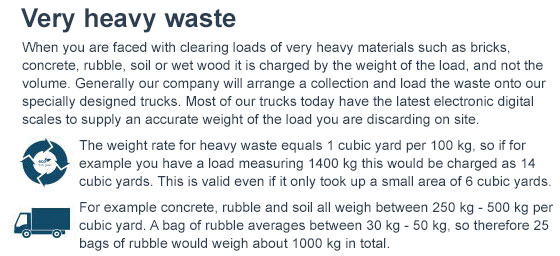
Third, be honest about awkward items. Oversized wardrobes, broken beds, builders' rubble, wet garden waste, and heavy appliances are all different beasts. Say it plainly. It helps.
Fourth, think about timing around the local area. Near Honeywood Museum and the surrounding Sutton streets, parking and access can be easier at certain times of day. A little planning goes a long way, especially if the weather is grim and the road is busy.
Fifth, keep a small "donate, recycle, bin" system at home. It sounds overly neat, maybe even a bit smug, but it stops the clear-out from becoming chaotic halfway through.
Expert summary: the best rubbish disposal jobs are the boring ones. Accurate, sorted, well-timed, and uneventful. That is actually the goal.
Common Mistakes to Avoid
Most disposal problems come from a few recurring mistakes. They are easy to make, which is why they keep happening.
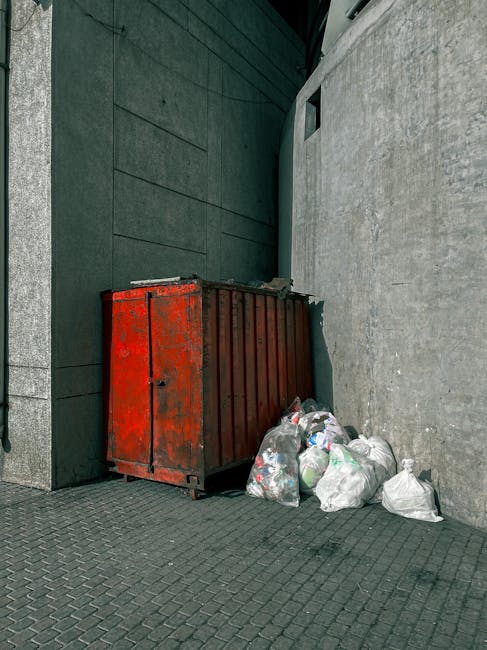
- Underestimating volume: a few bags can become a van load once squeezed out of cupboards and lofts.
- Leaving it too late: last-minute panic usually leads to higher stress and fewer options.
- Not checking access: blocked driveways, narrow halls, and awkward staircases affect loading times.
- Ignoring restricted items: some waste types need special handling and should not be treated like ordinary rubbish.
- Using the wrong disposal route: a skip is not always best, and self-hauling is not always realistic.
- Assuming all waste is the same: it really, really isn't.
One common slip-up is forgetting about hidden waste after the obvious items are gone. A room looks clear, then someone opens the cupboard above the boiler and finds another pile. Happens all the time.
Another one is waiting until the bins are overflowing and then trying to solve the whole thing in a rush. To be fair, that is understandable. But it usually makes the job more expensive or more awkward than it needed to be.
Tools, Resources and Recommendations
You do not need a complicated toolkit to manage rubbish disposal, but a few simple items make the process easier and safer.
- Heavy-duty gloves: useful for sharp edges, dusty items, and broken pieces.
- Strong bin bags: avoid overfilling flimsy bags that split halfway to the door.
- Labels or marker pens: handy if you are sorting items for recycling, donation, or disposal.
- Dust sheets or tarps: useful when moving items through the house or protecting floors.
- Trolley or sack truck: helpful for heavier items if you are doing part of the work yourself.
- Phone camera: probably the most underrated tool for getting a realistic quote.
For a fuller sense of the company's approach to safe handling, it can help to review the insurance and safety information. If sustainability matters to you, the recycling and sustainability page is also worth a look.
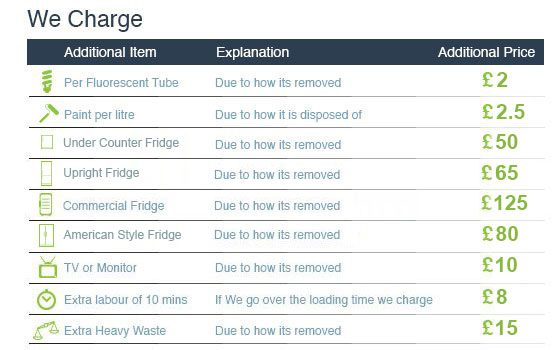
For pricing clarity, you may also want to review pricing and quotes, especially if you are comparing the cost of clearance against skip hire or repeated tip runs.
Law, Compliance, Standards, or Best Practice
Waste disposal in the UK is not something to treat casually. You do not need to memorise legal codes, but you should understand the basics of responsible handling.
In practical terms, the main principles are straightforward: do not dump rubbish illegally, do not leave waste where it creates a hazard, and make sure it goes to an appropriate disposal route. If a service is taking waste away for you, it is sensible to ask how it is handled and whether the provider follows standard safety and environmental practices.
For households and businesses alike, good record-keeping and honest descriptions matter. If you are dealing with office items, electricals, sharp materials, or anything that could be hazardous, the provider should be told clearly. That is not being fussy. It is basic good practice.
You should also be careful with items that may need special treatment, such as certain electrical equipment, chemicals, paints, or builders' waste. If something feels questionable, ask before it is lifted. The quick conversation saves a lot of grief later.
For readers who want to understand how the business approaches responsibility more broadly, the site's about us page and terms and conditions can help set expectations. If you are concerned about data or online contact, the relevant privacy and cookie information is also available on the site.
Options, Methods, or Comparison Table
Here is a plain-English comparison of the most common rubbish disposal options near Honeywood Museum.
| Method | Best for | Pros | Watch-outs |
|---|---|---|---|
| Professional rubbish collection | Mixed household waste, bulky items, quick clear-outs | Fast, labour handled for you, flexible | Needs accurate description of waste and access |
| Skip hire | Longer projects, renovations, ongoing waste generation | Good for staged work, convenient on-site storage | Requires space, permits may be relevant depending on placement |
| Self-haul to a disposal site | Small, manageable loads with vehicle access | Can suit limited waste volume | Time-consuming, lifting involved, multiple trips possible |
| Specialist clearance | Furniture, lofts, garages, offices, gardens | Tailored handling, less effort for the customer | Best when the job is clearly defined in advance |
If you are weighing up options, a few practical questions help. How much rubbish is there really? Do you need it gone today or just this week? Is the waste mostly light bags, or is it heavy and awkward? Once you answer those, the choice becomes much clearer.
For garden-related loads, garden waste removal in Sutton is often the neatest route. For bigger domestic clear-outs, garage clearance, loft clearance, or furniture disposal may fit better than a general bag-and-bin approach.
Case Study or Real-World Example
Here is a realistic example. A household a short distance from Honeywood Museum had accumulated a mix of broken shelves, an old sofa, several bags from a loft sort-out, and some garden trimmings after a weekend tidy-up. Nothing dramatic. Just a lot of stuff. The kind that quietly piles up until one day the spare room starts looking like a storage cage.
They first considered doing multiple car runs. Then they realised the sofa would be awkward, the loft bags were dusty, and the garden waste would need more than one trip anyway. Instead, they grouped everything into broad categories, sent a few photos, and booked a collection window that suited their parking situation.
On the day, the job was quicker because the waste was already gathered in one area and the path to the entrance was clear. The most useful part was not speed, though. It was that the family did not need to wrestle with awkward items down the stairs. No strained shoulders. No muddy boots in the hallway. That sort of detail matters more than people admit.
What made the difference was not luck. It was simply preparing the load properly and choosing the right method. A small amount of planning saved a lot of effort.
Practical Checklist
Use this checklist before arranging rubbish disposal near Honeywood Museum.
- Identify the main waste types: general rubbish, furniture, garden waste, DIY waste, electricals, or mixed items.
- Estimate the amount as accurately as you can.
- Take clear photos in good light.
- Check whether access is easy or awkward.
- Note any stairs, parking limits, or gate codes.
- Separate anything recyclable or reusable.
- Put aside items that need special handling.
- Choose the most suitable disposal method.
- Confirm what is included in the quote.
- Make sure the clearance area is safe and accessible on the day.
If you prefer a more general household clean-up route, rubbish collection in Sutton can be a straightforward option. For more targeted property clear-outs, junk removal in Sutton may be the better fit. And if you want to understand the local service in broader terms, waste removal in Sutton is another relevant page to review.
Get a free quote today and see how much you can save.
Conclusion
Rubbish disposal near Honeywood Museum is rarely about one dramatic issue. More often, it is a series of small, ordinary tasks that become easier once you choose the right plan. A bit of sorting, a realistic estimate, and the right collection method can turn a stressful job into a simple one.
If you are dealing with bulky items, mixed waste, or a clear-out that has been hanging over you for too long, the best next step is to define the load clearly and pick the most practical route. Keep the job tidy. Keep it honest. And do not make yourself carry more than you need to. Life's too short for that, really.
When waste is handled well, the whole place feels lighter. Not just cleaner. Lighter.



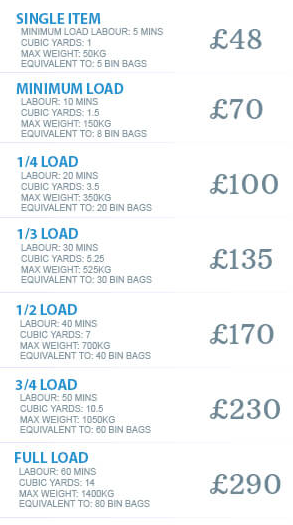
 Tipper Van - Rubbish Removal and Builders Waste Disposal Prices in Sutton, SM1
 Luton Van - Rubbish Removal and Builders Waste Disposal Prices in Sutton, SM1