St Helier Estate rubbish removal guide
Posted on 03/09/2026
If you live on St Helier Estate, or you are clearing a flat, maisonette, garden, garage, or shared space nearby, rubbish has a way of building up faster than you expect. One weekend you are "just sorting a few things," and by Sunday evening there is a stack of bags, an old wardrobe leaning awkwardly in the hall, and a mystery pile of broken bits that nobody claims. This St Helier Estate rubbish removal guide is here to make the whole process feel less messy, less stressful, and a lot more manageable.
Whether you need a one-off clear-out, help after decorating, a tidy-up before moving, or ongoing waste removal for a bigger project, the key is knowing what to remove, how to remove it safely, and which method fits the job. That is what we will cover here, along with sensible local advice, common mistakes, and a few real-world tips that save time. To be fair, rubbish removal sounds simple until you are the one lifting a cracked wardrobe down the stairs at 7pm in the rain.

Why St Helier Estate rubbish removal guide matters
St Helier Estate has its own rhythm: homes close together, shared access points, busy footpaths, and the usual mix of family life, tenants, landlords, and people in the middle of a clear-out. That makes rubbish removal more than a simple "put it out and forget it" task. If you leave bulky waste in the wrong place, block a walkway, or mishandle items that should be separated, the problem can grow quickly. And yes, neighbours notice. They always do.
A good rubbish removal plan matters because it helps you stay organised, avoid unnecessary hassle, and choose the right disposal route for different waste types. In practice, that may mean separating reusable furniture from general junk, keeping garden waste apart from builders' debris, and deciding whether a full load removal, a partial clearance, or a simple collection is the better fit. For broader support around local clearance needs, you may also find the site's services overview useful.
It also matters for safety. Heavy items, sharp edges, old paint tins, and damp waste can all cause problems if handled casually. Shared estates make this even more relevant because one awkwardly placed item can turn into an access issue for everyone. A little planning goes a long way.
Expert summary: the best rubbish removal on St Helier Estate is usually the one that is planned, sorted, and matched to the right service rather than the one that simply feels quickest in the moment.
How St Helier Estate rubbish removal guide works
In straightforward terms, rubbish removal is the process of collecting unwanted items, loading them safely, transporting them away, and handling them through the appropriate disposal or recovery route. On a residential estate, the process works best when you think in stages rather than piles. First, identify what needs to go. Then separate by type. Then decide whether you need bagged waste collection, furniture disposal, a garage clearance, a loft clearance, or something more mixed.
Here is the usual flow:
- Assess the waste - look at volume, weight, access, and any special items.
- Sort by category - keep general waste, furniture, garden waste, and DIY rubble apart where possible.
- Choose the right method - a simple collection, a full clearance, or skip hire if the job is ongoing.
- Prepare the access - clear hallways, unlock gates, and make sure someone can let the team in if needed.
- Remove and load safely - bulky items should be lifted with care, not dragged through tight communal spaces.
- Dispose responsibly - recyclable or reusable items should be separated where suitable.
That sounds like common sense, and it is, but common sense disappears quickly when a room is full of clutter. A proper process keeps things calm. If your job is more than a few bin bags and a chair, it is worth looking at specialised services such as rubbish clearance in Sutton or junk removal support when the load is mixed and awkward.
Key benefits and practical advantages
The obvious benefit is that you get your space back. But the real advantages are a bit deeper than that. When rubbish is cleared properly, rooms feel bigger, access becomes easier, and you stop mentally stepping around the same pile day after day. If you have ever tried to live around clutter, you know how strangely draining it can be. It is not just visual noise; it is background stress.
- Faster turnaround - especially useful when moving, renovating, or preparing a property for sale.
- Safer living spaces - fewer trip hazards, less blocked access, and less chance of injury.
- Better hygiene - old waste, damp cardboard, and food packaging can attract pests or unpleasant smells.
- More efficient use of space - garages, lofts, and spare rooms become usable again.
- Cleaner presentation - helpful if you are a landlord, seller, tenant, or homeowner getting ready for visitors.
- Less waste stress - one organised removal is easier than multiple improvised trips in a small car.
There is also a quieter benefit: you make better decisions once the clutter is gone. People often keep things because they cannot see the space properly. Once the mess is out, the room tells the truth. Harsh, maybe, but useful.
If you are dealing with an entire property rather than one room, a more structured option like house clearance in Sutton may be a better fit than piecemeal removal. For home items that need separate handling, furniture disposal in Sutton can be especially practical.
Who this is for and when it makes sense
This guide is useful for a wide mix of people on and around St Helier Estate. You do not need to be doing a massive clear-out for it to matter. In fact, small jobs can be the ones people leave too long.
- Tenants who need to clear rubbish before the end of a tenancy.
- Landlords dealing with left-behind furniture, mixed junk, or post-tenant clearances.
- Homeowners clearing lofts, garages, sheds, or spare rooms.
- Families tackling a general declutter or a larger life change.
- People moving house who do not want to transport unnecessary items.
- DIYers and decorators with waste from broken fixtures, packaging, or small renovation work.
- Garden owners with hedge cuttings, soil, branches, or old plant pots to shift.
It makes sense whenever the task is too large for the usual bin collection, too awkward for your car, or too time-sensitive to leave sitting around. It also makes sense when the waste is mixed. A single room can contain a surprising variety of stuff: cardboard, broken furniture, old toys, paint tins, cables, and a chair nobody remembers buying. Classic.
For outdoor jobs, especially after pruning or seasonal tidying, garden waste removal in Sutton is often the most straightforward route.
Step-by-step guidance
If you want the cleanest result with the least hassle, follow a simple order. Rushing usually creates more work later. Truth be told, that is where most people go wrong.
1. Walk the space first
Look through every room, cupboard, corner, shed, or storage space that needs attention. Make a quick note of what is going, what might be donated or reused, and what needs special handling. Do not guess. A quick walk-through often reveals more than you expected.
2. Separate bulky items from loose waste
Large objects like wardrobes, mattresses, sofas, and desks are handled differently from bin bags and loose clutter. If you keep them apart early, loading is faster and the whole job feels less chaotic. It is a small thing, but it saves time.
3. Identify anything sensitive
Paint, solvents, electricals, sharp metal, and anything that could leak or spill should be treated carefully. You do not want a bag splitting halfway down the stairs. Nobody does.
4. Clear access routes
Move shoes, plant pots, hallway clutter, and anything else that narrows the route out of the property. In estates, shared entrances and tight corners can make access the real bottleneck. If the team can move safely, the collection will feel much smoother.
5. Choose the right removal method
If you only have a few bulky pieces, a targeted collection may be enough. If you are handling multiple rooms or a whole property, you may need a more complete service. If the work is spread over several days, skip hire can make sense. More on that below.
6. Confirm the disposal plan
Ask how the waste will be handled, especially if you care about recycling, re-use, or separating different waste types. A responsible provider should be clear about what happens next. The goal is not just to remove mess; it is to remove it properly.
7. Finish with a final check
Once the waste is gone, do one last sweep for small items hiding behind furniture or under shelves. Cables, screws, and loose paper tend to survive even the best clear-outs. Funny little survivors, those things.
Expert tips for better results
These are the details that make a clear-out easier, especially in a place with shared access and limited parking. They are not dramatic. They just work.
- Photograph the waste beforehand so you can describe it clearly and avoid surprises.
- Bundle similar items together - for example, keep books, textiles, and electricals separate if you can.
- Flatten cardboard and dismantle what is safe to dismantle - it reduces volume and speeds things up.
- Keep valuables and paperwork away from the clearance area - easy to forget in a hurry, then suddenly not so funny.
- Book with access in mind - stairs, lifts, tight corners, and parking all affect how smoothly a job runs.
- Be realistic about time - an hour spent sorting can save a much longer clearance later.
One of the best habits is to do a "decision pile" and a "definitely going" pile. It sounds almost too simple, but it helps you stop drifting. If something sits in the maybe pile for months, you probably already know the answer.
If you are comparing waste handling options, the site's waste removal service and rubbish collection option are worth considering for different levels of need.
Common mistakes to avoid
Let's face it, most rubbish removal headaches come from a few predictable mistakes. Avoiding them is half the battle.
- Leaving sorting until the day of collection - that is how jobs become slow and messy.
- Mixing everything together - one mixed pile can be harder to handle than several smaller ones.
- Blocking hallways or stairwells - this creates safety issues and slows the team down.
- Forgetting about fragile or hazardous items - broken glass and old chemicals need more care.
- Assuming every service is the same - a quick junk pickup is not always suitable for a whole-property clearance.
- Not asking about recycling or reuse - some items can often be diverted from general disposal if sorted well.
Another common one is underestimating volume. People look at a pile and think "that's not much," then three bins later realise it was a small mountain in disguise. Happens all the time.
Tools, resources and recommendations
You do not need much in the way of specialist gear for a standard household clear-out, but a few simple tools make life easier.
- Sturdy sacks or rubble bags for loose, safe waste
- Labels or marker pens for sorting rooms or categories
- Protective gloves for handling sharp, dusty, or rough items
- Basic screwdriver or hex key set for dismantling furniture where appropriate
- Dust sheets or old blankets to protect floors and doorframes
- Phone camera to document the volume and condition of items before removal
For larger clearances, the most useful resource is often a service that can adapt to the job rather than forcing the job into one rigid format. If your situation is a little unusual, a more tailored approach from the team behind the service can be reassuring. It helps to know who you are dealing with and how they work.
You may also want to review practical information on insurance and safety before any bigger clearance, especially if there are stairs, heavy items, or shared areas involved.
Law, compliance, standards, or best practice
For rubbish removal in the UK, the safest approach is to use a provider that handles waste responsibly and can explain what happens to it. You do not need to turn into a waste expert, but you should expect basic professionalism and care. Waste left dumped, fly-tipped, or passed to the wrong person can create avoidable trouble. Nobody wants that.
Best practice usually means:
- Checking that waste is taken away properly rather than left somewhere else
- Separating recyclable and reusable materials where practical
- Handling electricals and bulky waste carefully
- Using clear quotes and clear scope so the job is understood upfront
- Respecting shared estate access and neighbours during loading and collection
If a job involves builders' debris, sharp materials, or renovation waste, you may need a more specialist route. In that case, builders' waste clearance in Sutton is often the more suitable option. For general trust and service standards, checking the site's policies such as terms and conditions, privacy policy, cookie policy, and payment and security can also give you a better sense of how the service is run.
Options and comparison table
Different rubbish removal methods suit different jobs. A quick comparison can help you choose without overthinking it.
| Option | Best for | Strengths | Things to watch |
|---|---|---|---|
| Rubbish collection | Smaller loads and straightforward waste | Quick, simple, usually easy to arrange | May not suit heavy mixed waste or larger volumes |
| Junk removal | Mixed household clutter | Good for awkward, odd, or random items | Sorting ahead of time still helps a lot |
| Furniture disposal | Sofas, tables, wardrobes, beds | Ideal for bulky items that are hard to move alone | Access and dismantling may matter |
| House clearance | Full rooms or whole properties | Best for large-scale decluttering or end-of-tenancy work | Needs good planning and a clear scope |
| Skip hire | Ongoing DIY or staged clear-outs | Handy if you are generating waste over time | Requires space and careful loading |
For garages, lofts, and storage-heavy homes, the right service can save a lot of back-and-forth. You might start with garage clearance or loft clearance if the problem is concentrated in one area rather than the whole property. And if you are still deciding between a load-and-go collection and a container-style solution, skip hire in Sutton is worth comparing carefully.
Case study or real-world example
Here is a realistic example. A resident on St Helier Estate has finished sorting a spare room that had quietly become the family "everything room." You know the one: old office chair, broken fan, three boxes of mixed cables, a tired bookcase, some packaging from a recent delivery, and a bag of donations that has been waiting near the door for ages.
Instead of trying to tackle it all in one panicked burst, they separate the items into three groups. First, reusable items for donation. Second, bulky furniture for disposal. Third, general clutter and loose waste. They clear the hallway first, then measure the access route, and take a couple of photos before booking. The job becomes much easier because nobody is improvising on the day.
The result? The room is empty by lunchtime, the dust settles, and the space suddenly feels usable again. A small desk goes in. Natural light comes back. It is the kind of change that makes the whole flat feel calmer. Not glamorous, perhaps, but genuinely satisfying. Sometimes the best improvement is simply getting your floor back.
Practical checklist
Use this checklist before arranging rubbish removal on St Helier Estate:
- Walk through every space that needs clearing
- Separate bulky items from loose waste
- Set aside anything reusable, sellable, or donatable
- Keep hazardous or sensitive items apart
- Clear hallways and access routes
- Check whether the job is a collection, clearance, or skip hire case
- Take photos if you want a clearer quote or easier discussion
- Confirm how the waste will be handled
- Make sure someone is available if access is needed
- Do a final sweep for small items after removal
If you are dealing with a property move, a fresh renovation, or a time-sensitive clean-up near the area, the article on same-day waste clearance near Sutton Station may also be helpful for thinking through speed and timing.
Conclusion
A sensible St Helier Estate rubbish removal plan is not about doing everything at once. It is about making the job smaller, clearer, and safer. Sort first. Choose the right removal method. Keep access open. And do not be afraid to get help when the waste is too bulky, too mixed, or simply too much for one person and a hatchback. That is not failure; it is just practical.
The best clear-outs leave you with more than an empty room. They give you breathing space, a cleaner start, and a bit of mental relief too. And honestly, that counts for a lot on a busy estate where space is precious and the days are already full.
Get a free quote today and see how much you can save.
If you want to understand the wider local context before planning your clear-out, you might also enjoy reading about Sutton from a local perspective or browsing the broader story of the area in this Sutton guide. A little local knowledge never hurts.



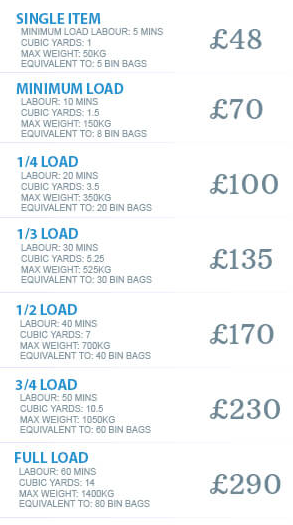
 Tipper Van - Rubbish Removal and Builders Waste Disposal Prices in Sutton, SM1
 Luton Van - Rubbish Removal and Builders Waste Disposal Prices in Sutton, SM1